Overview
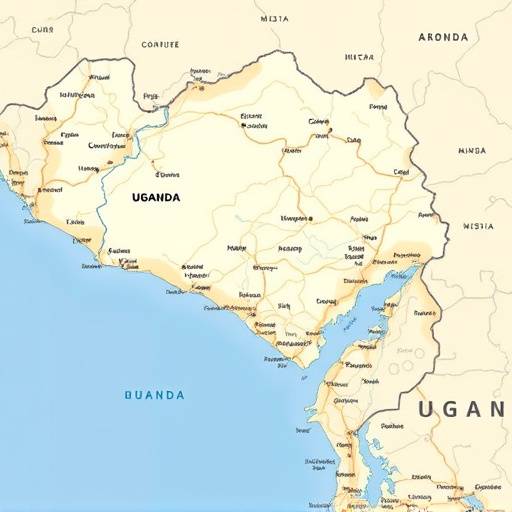
Uganda, often referred to as the "Pearl of Africa," is a landlocked country in East Africa whose diverse landscapes encompass the snow-capped Rwenzori Mountains and immense Lake Victoria. Its abundant wildlife includes chimpanzees as well as rare birds. Remote Bwindi Impenetrable National Park is a renowned mountain gorilla sanctuary. Murchison Falls National Park in the northwest is known for its 43m-tall waterfall and wildlife such as hippos. Uganda offers a unique blend of natural beauty, rich culture, and historical significance, making it a compelling destination for tourists and investors alike.
History
The history of Uganda is rich and complex, dating back to the early Iron Age. The region was inhabited by various Bantu-speaking peoples, who established kingdoms like Buganda, Bunyoro-Kitara, Ankole, and Toro. These kingdoms had intricate social and political structures that influenced the region for centuries.
In the late 19th century, European explorers and missionaries arrived, followed by British colonial rule. Uganda became a British protectorate in 1894, and the colonial administration implemented policies that shaped the country's economic and social development. The introduction of cash crops like coffee and cotton transformed the agricultural landscape, while the establishment of schools and hospitals laid the foundation for modern institutions.
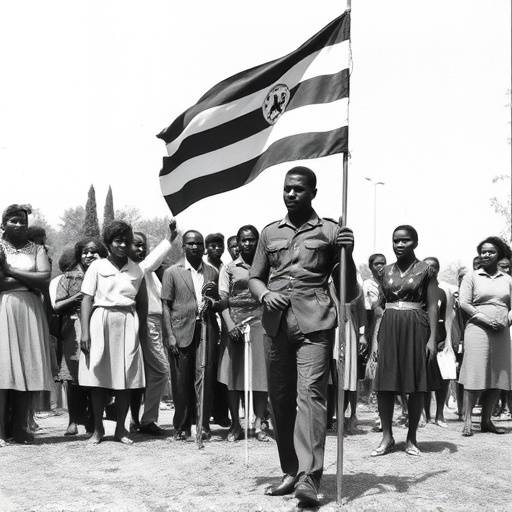
Uganda gained independence on October 9, 1962, with Milton Obote as its first Prime Minister. The early years of independence were marked by political instability and power struggles, culminating in Idi Amin's military coup in 1971. Amin's regime was characterized by human rights abuses and economic mismanagement, leading to a period of turmoil and decline.
In 1979, Ugandan exiles and Tanzanian forces ousted Amin, and Obote returned to power. However, his second term was also marred by conflict and violence. In 1986, Yoweri Museveni's National Resistance Movement (NRM) seized power, ushering in an era of relative stability and economic growth. Museveni's government implemented economic reforms, promoted education, and invested in infrastructure, contributing to Uganda's development.
Culture
Uganda's cultural landscape is incredibly diverse, reflecting the country's numerous ethnic groups and historical influences. Each group has its own unique traditions, customs, languages, and art forms.
The Buganda kingdom, with its capital in Kampala, is one of the most prominent cultural institutions in Uganda. The Kabaka (King) of Buganda holds significant cultural authority, and the kingdom's traditions and ceremonies play a vital role in Ugandan society. Other significant cultural groups include the Banyankole, Basoga, Batoro, and Acholi, each with their distinct heritage.
Music and dance are integral parts of Ugandan culture, with traditional instruments like drums, xylophones, and harps used to create vibrant rhythms and melodies. Traditional dances are often performed during ceremonies and festivals, showcasing the cultural diversity of the country. Storytelling, oral traditions, and traditional crafts are also important aspects of Ugandan culture, preserving and transmitting cultural knowledge across generations.
Ugandan cuisine is diverse and flavorful, reflecting the country's agricultural richness. Staple foods include matooke (steamed green bananas), cassava, sweet potatoes, and beans. Meat, fish, and poultry are also popular, and dishes are often seasoned with spices and sauces. Local beverages include banana beer (tonto) and millet porridge (bushera).
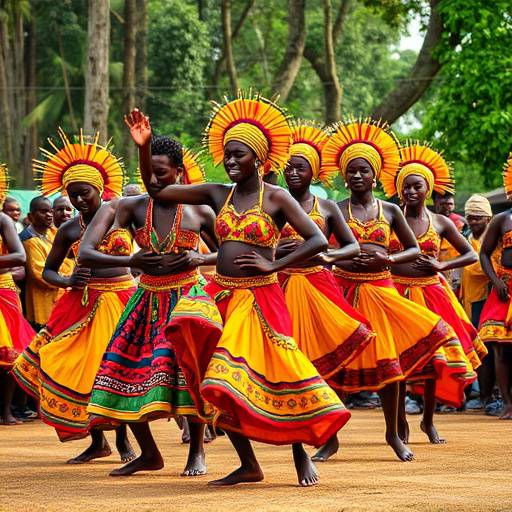
"Uganda's cultural richness is a tapestry woven from the threads of numerous ethnic groups, each contributing its unique traditions and customs to the vibrant national identity." - Professor Joy Mukisa, Makerere University
Demographics
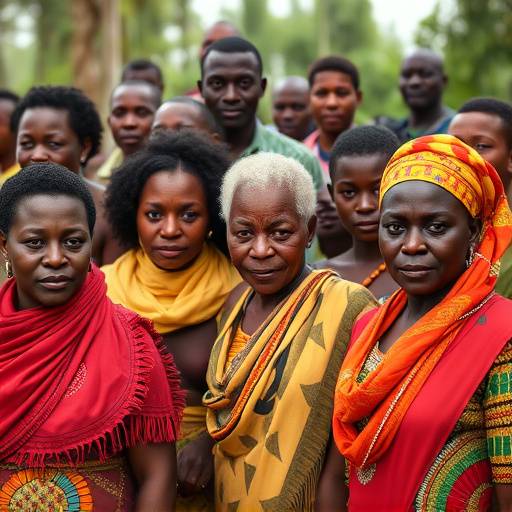
Uganda is a multiethnic country with a population of over 45 million people. The country is home to a diverse range of ethnic groups, including the Baganda, Banyankole, Basoga, Bakiga, Iteso, Langi, Acholi, and many others. The official languages are English and Swahili, but numerous indigenous languages are spoken throughout the country.
The majority of Ugandans live in rural areas and are engaged in agriculture. However, urbanization is increasing, and Kampala, the capital city, is experiencing rapid growth. Uganda's population is relatively young, with a high proportion of children and adolescents. Education levels have been improving in recent years, but challenges remain in ensuring access to quality education for all.
Religious diversity is another prominent feature of Ugandan society. Christianity is the dominant religion, with both Catholic and Protestant denominations. Islam is also a significant religion, and there are also followers of traditional African religions. Religious tolerance is generally practiced, and different religious groups coexist peacefully.
| Ethnic Group | Population (Estimated) | Percentage of Total Population |
|---|---|---|
| Baganda | 9,500,000 | 21% |
| Banyankole | 4,200,000 | 9.3% |
| Basoga | 4,000,000 | 8.8% |
| Bakiga | 3,500,000 | 7.7% |
| Iteso | 3,300,000 | 7.3% |
| Langi | 2,900,000 | 6.4% |
| Acholi | 1,700,000 | 3.7% |
| Other | 16,000,000 | 35.8% |
Geography
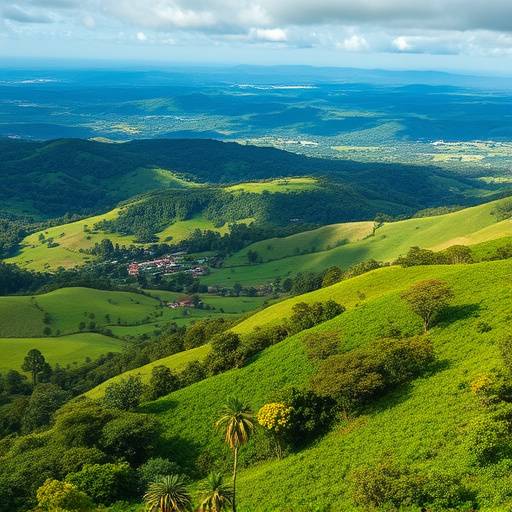
Uganda's geography is remarkably diverse, encompassing a wide range of landscapes and ecosystems. The country is situated on the East African plateau, with an average elevation of around 1,000 meters above sea level. This elevation contributes to Uganda's moderate climate, with temperatures ranging from 20°C to 30°C throughout the year.
Lake Victoria, the largest lake in Africa and the second-largest freshwater lake in the world, dominates the southern part of Uganda. The lake provides a vital source of water, transportation, and fishing for millions of people. The Nile River, the longest river in the world, originates in Lake Victoria and flows northward through Uganda, creating stunning waterfalls and fertile plains.
The Rwenzori Mountains, located on the border with the Democratic Republic of Congo, are a unique feature of Uganda's landscape. These snow-capped mountains rise to over 5,000 meters and are home to diverse plant and animal life. Mount Elgon, an extinct volcano located on the border with Kenya, is another prominent mountain range in Uganda.
Uganda is also home to numerous national parks and wildlife reserves, protecting its rich biodiversity. Bwindi Impenetrable National Park is renowned for its mountain gorilla population, while Murchison Falls National Park is famous for its spectacular waterfall and abundant wildlife, including elephants, lions, and hippos. Queen Elizabeth National Park is another popular destination, offering diverse landscapes and a wide range of animal species.